Great Food Manufacturers in Minnesota
Minnesota is home to some remarkable food manufacturers, from well-known brands to creative startups. These companies have changed our food habits. Here, we will briefly explore five food manufacturers in Minnesota.
1. General Mills:
General Mills was opened in 1866 by Cadwallader C. Washburn in Minneapolis, Minnesota, where the company’s headquarters are currently located.
Products:
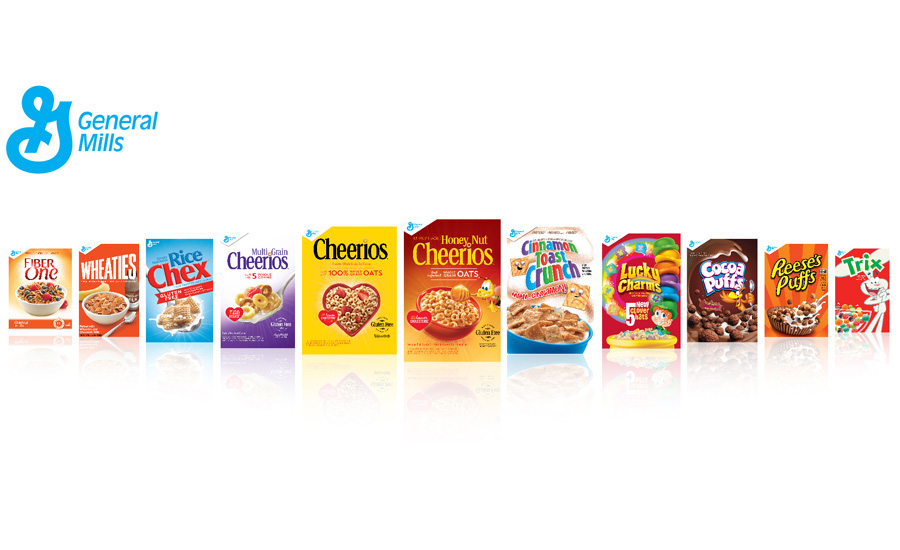
General Mills has been famous over generations as a breakfast table provider. These products include:
- Breakfast cereals (such as Cheerios and Lucky Charms)
- Baking mixes (like Betty Crocker)
- Snacks (like Nature Valley bars)
- Dairy products (including Yoplait yogurt).
Public satisfaction:
General Mills has a brilliant brand existence which evokes a sense of nostalgia and trust among people. While individual taste levels are different, General Mills adapts to changing consumer preferences by launching new products and improving existing ones.
Success Story:
General Mills’ success relies on its commitment to innovation, quality, and understanding consumer preferences. They adapt and closely follow changing food and market trends.
2.Land O’Lakes Company:
Land O’Lakes was established in 1921 in Arden Hills, Minnesota not by one individual but by 320 cooperatives because they believed that they were better when they worked together. This company provides agricultural supplies and business services to farmers and local cooperatives.

Products:
Their products include:
- Dairy Products (like butter, milk, and cheese)
- Animal Nutrition (such as feed and nutrition solutions for livestock)
- Crop Inputs (like seeds, fertilizers, and crop protection)
Public satisfaction:
The cooperative is well-received by consumers who support local farmers. While specific satisfaction levels may vary, Land O’Lakes remains a trusted brand in households and food service establishments.
Success Story:
Land O’Lakes’ success comes from its cooperative model, where farmers are also owners. They prioritize farmer livelihoods and excel in producing high-quality products.
3. Schwan’s Company:
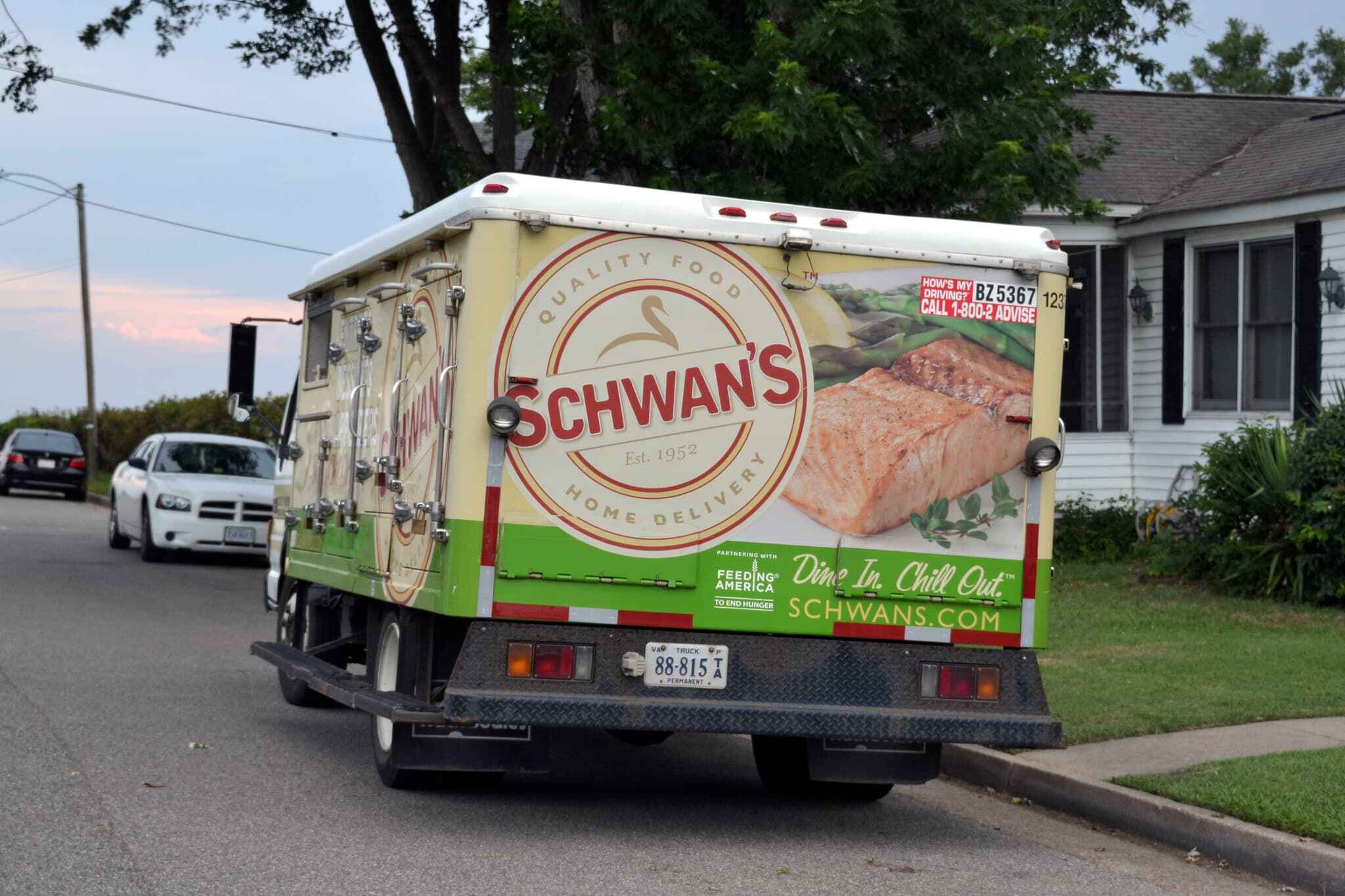
With hindsight, Marvin Schwan founded Schwan’s Company in Marshall, Minnesota in 1952. Initially, this company began its journey as a family-owned business.
Products:
Schwan’s Company produces frozen foods, such as:
- Pizzas
- Appetizers
- Ice cream
- Ready-to-eat meals
Public satisfaction:
People appreciate Schwan’s frozen foods convenience, and the home delivery service, especially during busy days. While individual satisfaction levels may vary, Schwan’s remains a quick and tasteful meal option.
Success Story:
Schwan’s success is due to its ability to adapt to consumer demands, embrace innovation, home delivery services, and high-quality products.
4. Hormel Foods Company:
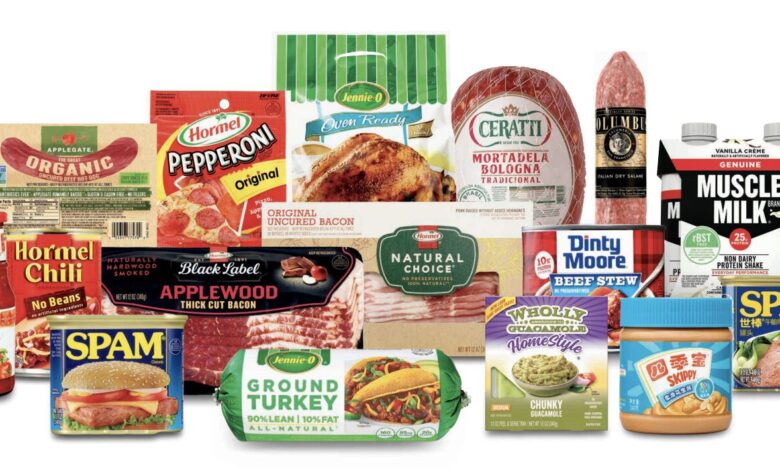
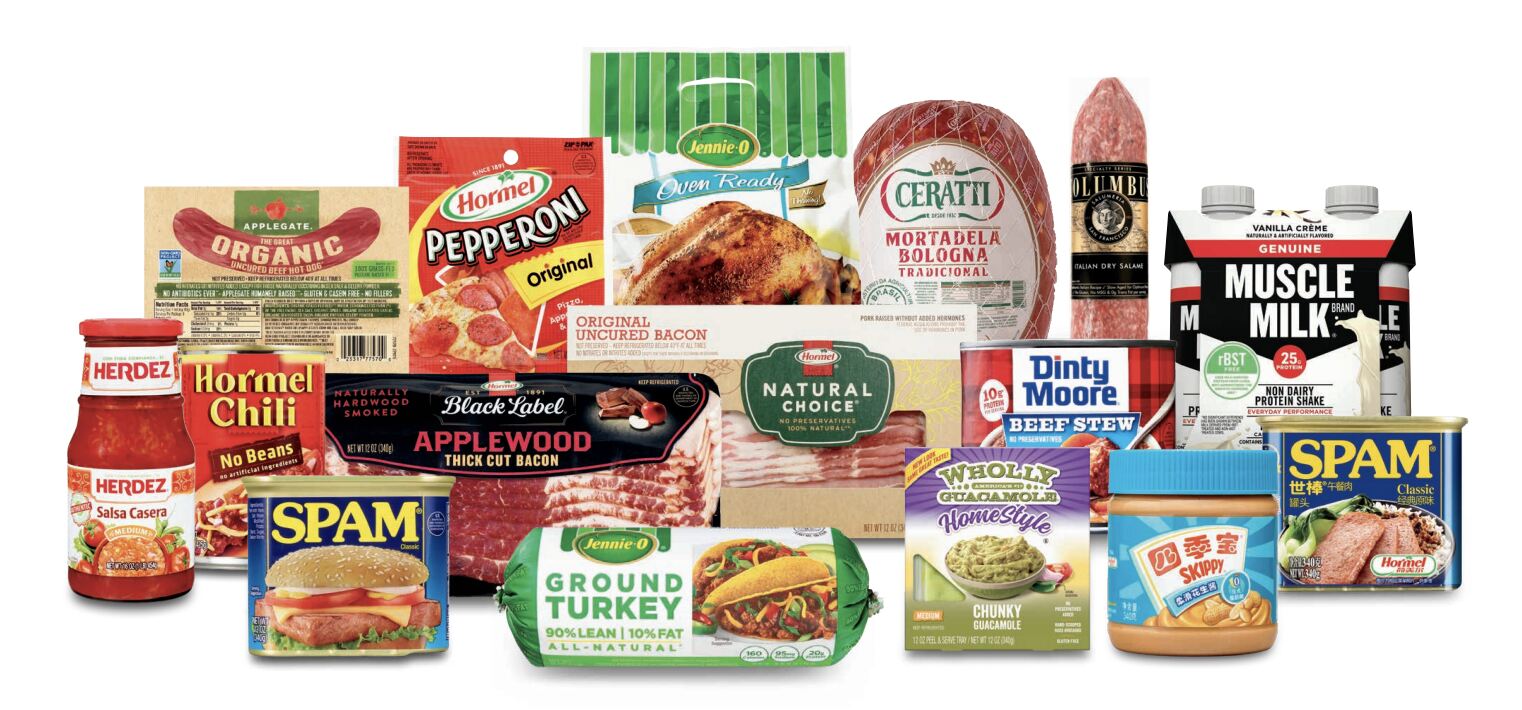
Hormel Foods Corporation was established in 1891 by George A، Hormel. Although the headquarters are located outside Minnesota (in Austin), Hormel Foods Corporation still has a strong impact on the state.
Products:
At first, Hormel Foods concentrated on meat packaging and processing but over the years, it has developed into a global food brand.
Their products include:
- Meat and Poultry Products (including hams, bacon, sausages, and deli meats)
- Prepared Foods (such as chili and stews)
- Dairy and Cheese Products (including Hormel Gatherings party trays)
- Snacks (such as peanut butter and corn nuts)
Public satisfaction:
Hormel Foods products have become domestic items for many consumers. People rely on their products because of their convenience, taste, and quality.
Success Story:
Hormel Foods is successful due to its ability to adapt, innovate, and expand its product lines. What sets them apart is their commitment to social responsibility, including animal welfare and the environment.
5. Cargill Company:
this company was founded in 1865 by William Wallace Cargill in Conover but nowadays, the headquarters are located in Wayzata, Minnesota. Cargill operates internationally in 66 countries.
Products:
Cargill operates within the agriculture, food, and commodities sectors. Their products include:
- Grains (such as wheat, corn, soybeans)
- Oilseeds (like palm oil)
- Meat and Poultry Products (ranging from raising livestock to providing animal nutrition)
- Food Ingredients (such as starch, glucose syrup, and vegetable oils)
Public satisfaction:
While individual satisfaction levels may vary, Cargill is recognized as a worldwide brand, so people trust their food ingredients and products. Cargill remains a reliable partner for food manufacturers, retailers, and consumers.
Success Story:
Cargill’s success journey is defined by some factors such as innovation, as they try to continuously adapt to changing markets, and global reach by expanding their worldwide network which allows them to connect with a wide range of markets.
Brand-Mart is a pioneering marketplace for private labeling of food and beverages. Visit us at www.Brand-Mart.com as we continue to explore the endless possibilities of collaboration and innovation on the Brand-Mart platform.